

Building a home involves thousands of small details, from choosing materials and approving designs to coordinating different professionals and tracking important deadlines. While many homeowners focus on the visible parts of construction, such as layouts and finishes, the documentation behind the project is equally important. Keeping accurate records throughout the building process creates clarity, protects agreements, and helps ensure that everyone involved understands what has been planned and completed. A well-documented construction project is easier to manage and can prevent many common problems before they become serious issues.
Starting Everything With Proper Records
A successful home build depends heavily on trust and clear communication between homeowners and construction companies, as suggested by the article from https://franken-magazin.de/blog/ein-nuernberger-pionier-revolutioniert-den-hausbau/. Keeping detailed records of decisions, changes, and approvals creates a clear connection between expectations and the final result. When every important step is documented, there is less room for confusion or disagreement later.
Recording Plans Before Construction Begins
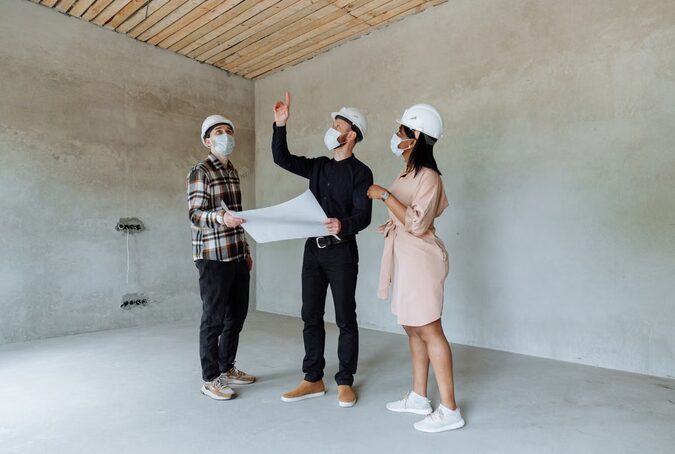
Documentation should start before any physical work takes place. Architectural drawings, building specifications, material choices, and agreements form the foundation of the entire project. Having these documents organized allows homeowners to compare the original plans with the actual progress of construction. If adjustments are needed along the way, written records make it easier to understand what changed and why those decisions were made.
Tracking Changes During the Building Process
Almost every construction project experiences some changes. A homeowner may decide to upgrade certain features, replace materials, or modify parts of the design after construction has started. Without proper documentation, these changes can create misunderstandings about costs, responsibilities, or completion dates. Recording every modification ensures that both homeowners and contractors have the same information and reduces the chance of unexpected disagreements.
Using Photos and Reports to Monitor Progress
Visual records are one of the simplest ways to follow a home’s development. Taking photos at different construction stages provides a useful timeline of the work being completed. These images can help confirm that certain installations were completed correctly and provide evidence if questions arise later. Combining photographs with written notes creates a complete overview of the project’s progress from the foundation to the final finishing touches.
Protecting Your Investment With Organized Documentation
A home is one of the largest financial commitments many people will make, which makes protecting that investment essential. Construction documents such as invoices, inspection reports, warranties, and communication records can become valuable references throughout the ownership period. If repairs are needed in the future, having information about materials, suppliers, and previous work can make the process much easier. Good documentation continues to provide value even after the construction phase has ended.
Improving Communication Between Everyone Involved
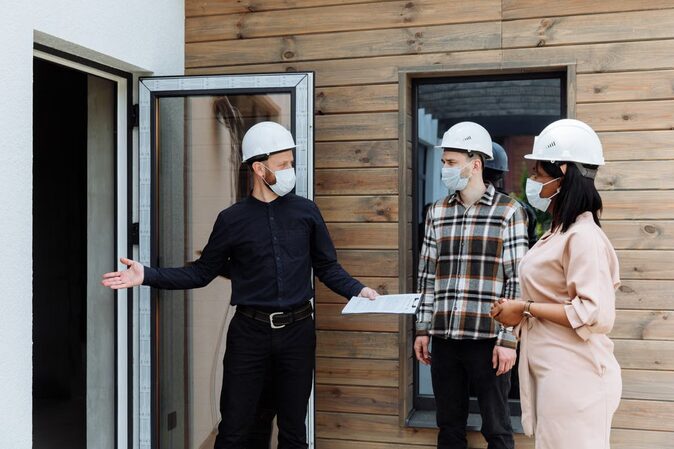
A home build often involves several parties, including architects, contractors, suppliers, and inspectors. With so many people contributing to one project, communication problems can easily occur. Organized documentation helps everyone stay aligned by providing a shared record of decisions and responsibilities. Instead of relying on memory or informal conversations, teams can refer to written information when planning the next steps.
Preparing for the Final Inspection and Handover
The final stages of construction require careful attention to detail. Before accepting the completed home, homeowners should review important documents, inspection results, warranties, and outstanding tasks. A complete record of the construction process makes the handover smoother because it provides proof of completed work and helps identify anything that still needs attention. This preparation gives homeowners more confidence when officially taking ownership of their new property.
Keeping Records for Future Home Maintenance
Documentation remains useful long after the construction team leaves. Over the years, homeowners may need information about electrical systems, plumbing, materials, renovations, or previous repairs. Having a complete history of the property saves time and makes future maintenance decisions easier. It also creates additional value if the home is ever sold, as future buyers may appreciate having detailed information about the property’s history.
Documenting every stage of a home …

 Regarding sustainable cellar construction, incorporating recycled materials is an excellent way to reduce waste and give a new purpose to old resources. From reclaimed wood to salvaged bricks, countless options can add character and charm to your cellar while minimizing environmental impact. One popular choice for recycled materials is reclaimed wine barrels. These wooden wonders have already served their time ageing fine wines but still have plenty of life left in them. By repurposing wine barrels as wall paneling or even as unique shelving units for your bottles, you create a visually appealing design element and contribute to the circular economy by giving these barrels a second chance. Another option worth considering is using recycled glass in your cellar construction. Glass fragments from discarded windows or bottles can be transformed into stunning mosaic tiles or countertops, adding a touch of elegance while reducing the demand for new raw materials.
 When it comes to sustainable cellar construction, one material that stands out is natural stone. This versatile and durable material offers a wide range of benefits for both the environment and your overall design aesthetic. Natural stone is an abundant resource found in various parts of the world. It is formed over millions of years through geological processes, making it a truly renewable option. By opting for natural stone in your cellar construction, you choose a material that can be responsibly sourced without depleting precious resources. Furthermore, natural stone has excellent thermal mass properties. This means that it can absorb and store heat energy from the surrounding environment, helping to naturally regulate temperature fluctuations in your cellar.