
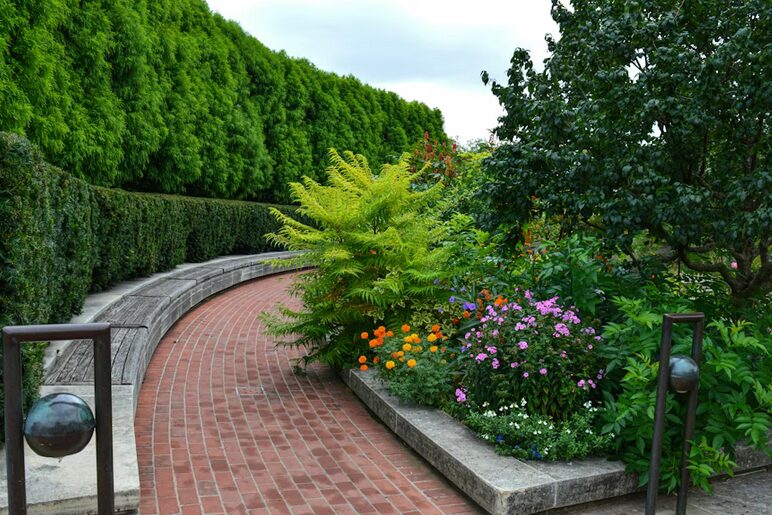
A yard can be more than trimmed grass and decorative shrubs; it can function as a living system that cooperates with climate, soil, and wildlife. As water costs rise and environmental awareness grows, many homeowners are shifting away from resource-hungry lawns and looking for practical, climate-smart alternatives. Native plants offer a grounded solution because they are already adapted to local rainfall patterns and temperature shifts. Instead of forcing greenery to survive with constant irrigation and fertilizers, you allow the landscape to operate with less strain and more balance. If you are researching backyard renovations ideas for small yard, integrating native plants into your plan is one of the most effective upgrades you can make.
California Poppy (Eschscholzia californica)
The California poppy is a radiant wildflower recognized for its bright orange petals and effortless growth habit. It thrives in well-drained or sandy soil and requires minimal watering once established, making it ideal for drought-conscious gardens. California poppies reseed naturally, forming soft waves of color each spring without demanding replanting. Beyond their visual appeal, they attract bees and butterflies, strengthening pollinator populations and contributing to ecological balance in residential landscapes.
Coast Live Oak (Quercus agrifolia)
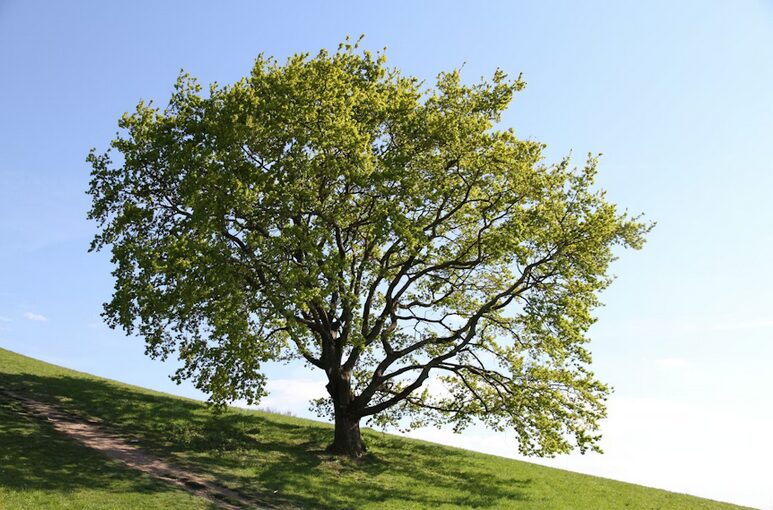
The Coast live oak offers structure, shade, and long-term environmental benefits for larger yards. Native to coastal California, this evergreen oak supports diverse insect species and provides habitat for birds and small mammals. Its deep root system stabilizes soil and improves water absorption, reducing runoff during seasonal rains. Though it requires space to mature, the Coast live oak becomes a foundational element in sustainable design, lowering ground temperatures and creating a cooler microclimate beneath its canopy.
Manzanita (Arctostaphylos)
The Manzanita stands out with its sculptural branches and smooth reddish bark that adds architectural interest year-round. This evergreen shrub prefers full sun and excellent drainage, flourishing with limited irrigation. Its delicate, bell-shaped flowers attract hummingbirds, adding motion and life to the yard. Because Manzanita is sensitive to overwatering, it fits naturally into xeriscaping plans where water conservation is a priority and excess moisture is avoided.
California Lilac (Ceanothus)
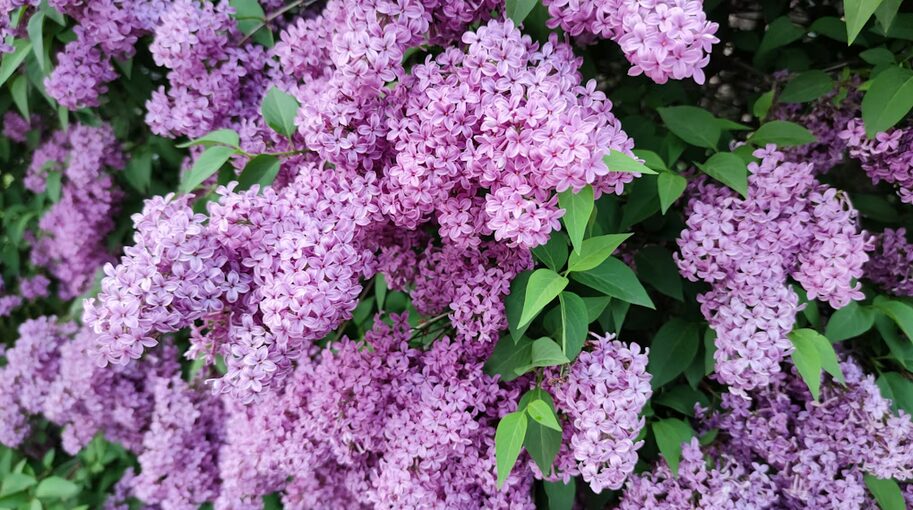
The California lilac produces dense clusters of blue or violet blossoms that create a striking spring display. Beyond color, it improves soil fertility through nitrogen fixation, reducing the need for synthetic fertilizers. California lilac performs well on slopes and helps prevent erosion while offering privacy with its dense foliage. Compact varieties are available for smaller spaces, allowing homeowners to integrate this plant into diverse yard layouts without overwhelming the design.
Toyon (Heteromeles arbutifolia)
The Toyon, often called Christmas berry, is a hardy shrub valued for its glossy green leaves and bright red berries that appear in cooler months. It tolerates drought once established and adapts to a range of soil conditions. The berries attract birds, turning your yard into a lively habitat while maintaining visual interest throughout the year. Toyon functions well as a natural hedge or focal plant, providing steady structure in eco-friendly landscapes.
Choosing native plants is one of the most practical steps toward building a sustainable and eco-friendly yard. Species such as California poppy, Coast live oak, Manzanita, California lilac, and Toyon reduce water consumption, support wildlife, and require less maintenance than many imported alternatives. With thoughtful planning and climate-aware design, homeowners can transform their outdoor spaces into balanced ecosystems that provide long-term beauty, environmental stability, and everyday enjoyment.…